Your Home in a Changing Climate
Are you planning to buy your dream home? Congratulations! Now's the time to think about not just aesthetics and layout but also long-term safety and security. The climate is changing, and with it comes new challenges like flood zones and wildfire risk. Understanding these factors can make all the difference in ensuring your future home stands strong against nature's tests.
Flood Zones, Wildfire Risk, and Climate
Flood Zones
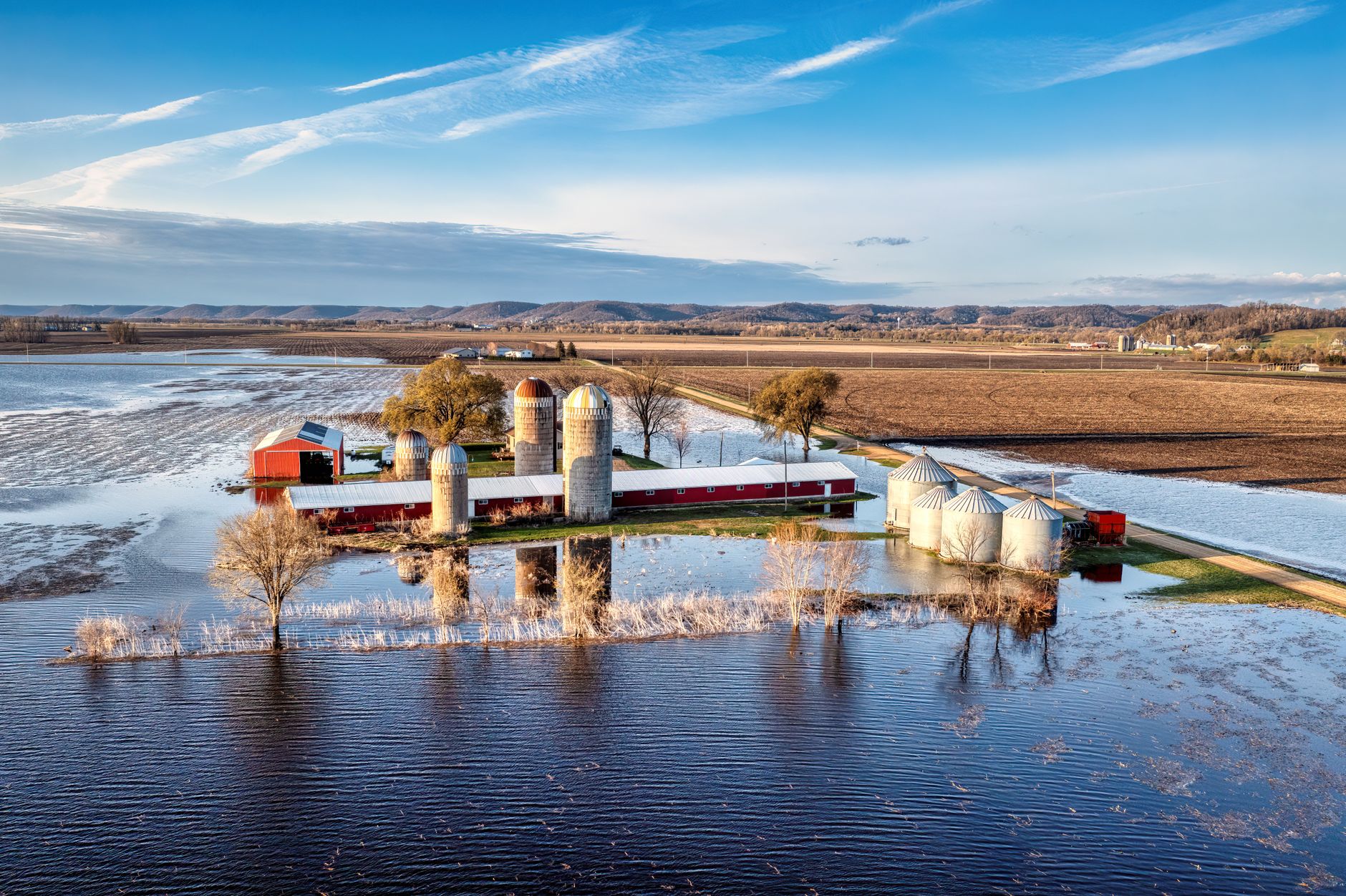
Floods are becoming more frequent and severe due to climate change. In fact, about 40% of the U.S. population lives within coastal or riverine areas that are at risk of flooding. When considering a property, check if it's in a flood zone. The Federal Emergency Management Agency (FEMA) offers Flood Insurance Rate Maps (FIRMs), which you can use to determine your risk level.
Steps to Check Flood Zones:
1. Visit the [FEMA Map Service Center](https://msc.fema.gov/).
2. Enter the address of the property.
3. Review the Flood Hazard Layer map for any shaded areas indicating flood zones.
Wildfire Risk
Wildfires are increasing in frequency and intensity due to rising temperatures and drier conditions, especially in regions like California, Oregon, and parts of the Southeast United States. Understanding your risk involves looking at both historical data and current conditions.
Steps to Check Wildfire Risk:
1. Use the [Wildfire Risk Assessment Tool](https://www.wildfirescenarioanalysis.org/).
2. Input the property's address.
3. Review the wildfire scenario analysis for that area, including past fire events and predicted future risks.
Climate-Resilient Neighborhoods
When choosing a neighborhood, consider its overall climate resilience. Factors like topography, vegetation, and infrastructure can make a big difference in how well a community withstands natural disasters.
Tips for Selecting Resilient Neighborhoods:
1. **Topography**: Areas with higher elevations are generally less prone to flooding.
2. **Vegetation**: Well-vegetated areas not only provide habitat but also help mitigate fire risks through moisture retention and reducing flammability of the landscape.
3. **Infrastructure**: Communities with robust infrastructure, including drainage systems and emergency services, tend to handle natural disasters better.
1. **Utilize Government Resources:** Use FEMA’s FIRMs for flood zone information and [Wildfire Risk Assessment Tool](https://www.wildfirescenarioanalysis.org/) for wildfire risk.
2. **Historical Data Matters:** Past fire events can give you a sense of the ongoing risks in an area, helping you make informed decisions about where to live.
3. **Consider Topography and Vegetation:** These natural features can significantly influence your home's vulnerability to disasters.
4. **Resilient Infrastructure Counts:** Communities with better infrastructure tend to recover more quickly from natural disasters.
By taking these steps, you're not just picking a house; you're choosing a location that will support your family through whatever the future may bring. Remember, informed decisions are the best defense against climate challenges. Happy home hunting!
Watch: Off-the-grid homes are coming as risks rise from climate change
Ready to Start Your Home Journey?
When you're ready to buy or sell, Welcome Home Referrals connects you with top agents in any market — free, with 15% cash back at closing.
Find a Top Agent →Photo by Tom Fisk • Published June 12, 2026