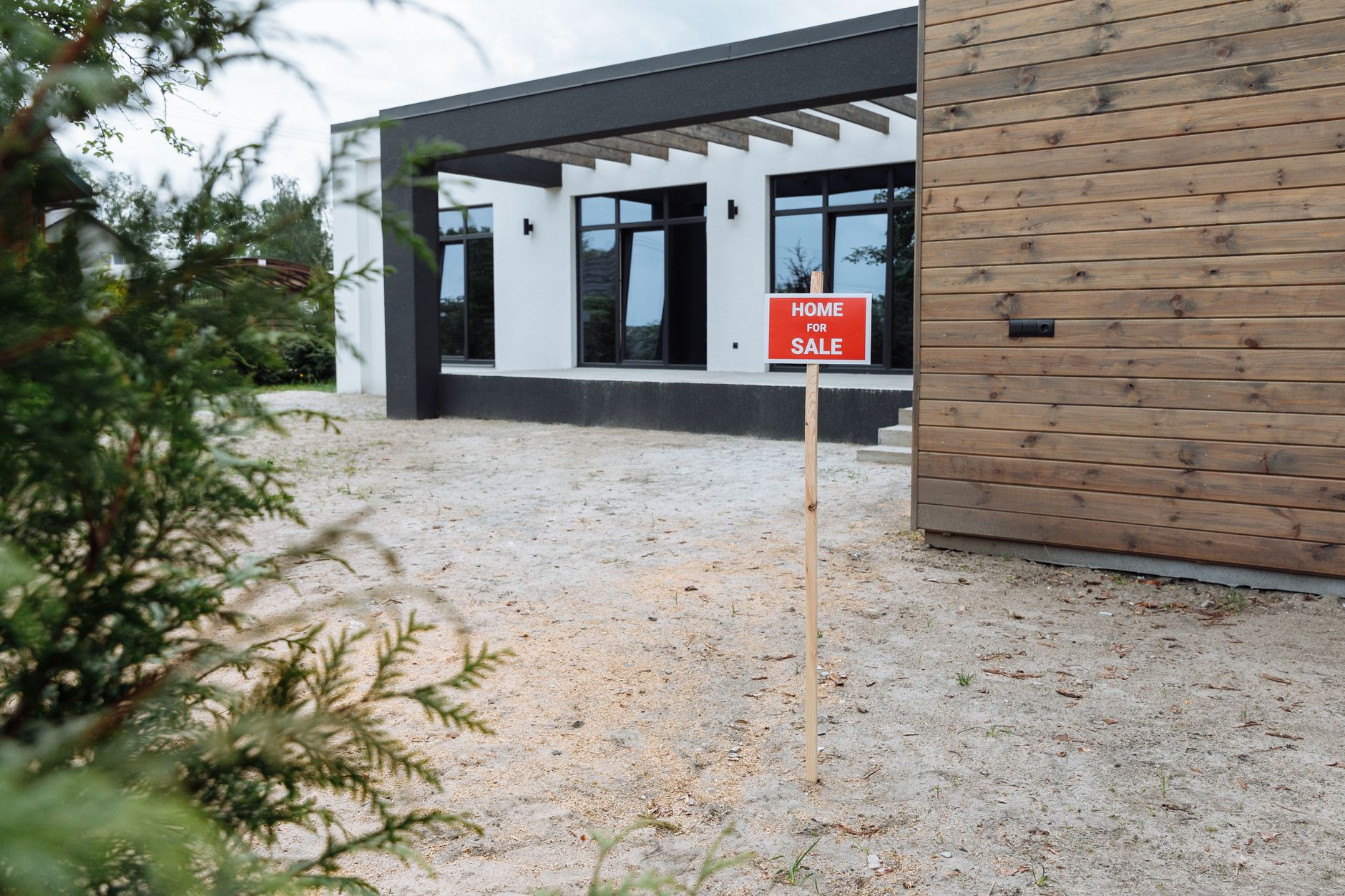
You've finally found your dream home, and you can't wait to make it yours. But before you start imagining yourself hosting dinner parties in the beautifully landscaped backyard, it's essential to take a step back and consider the potential pitfalls that could turn your dream into a nightmare. A home inspection can be a major reality check, revealing hidden issues that could cost you thousands of dollars in repairs or even pose a threat to your health and safety. In this article, we'll explore the most common home inspection red flags that should make you think twice about your purchase.
Understanding the Home Inspection Process
A home inspection is a thorough examination of a property's condition, typically conducted by a licensed professional. The inspector will evaluate the home's major systems, including the roof, plumbing, electrical, and HVAC, as well as its foundation, walls, and ceilings. The goal is to identify any potential problems or needed repairs, providing you with a clear understanding of the property's condition before you finalize the purchase.
Red Flags to Watch Out For
While some issues may be minor and easily fixable, others can be major deal-breakers. Here are some of the most common home inspection red flags that should make you walk away:
* **Foundation problems**: Cracks in the walls, uneven floors, or signs of water damage can indicate a faulty foundation. This can lead to costly repairs, structural issues, and even safety hazards.
* **Roof damage**: A damaged or aging roof can lead to leaks, water damage, and expensive replacements. Look for missing or damaged shingles, curled or buckled roofing material, or signs of wear around chimneys and vents.
* **Electrical issues**: Outdated or hazardous electrical systems can pose a significant fire risk. Be wary of flickering lights, warm outlets, or a burning smell, which can indicate faulty wiring or overloaded circuits.
* **Plumbing problems**: Leaks, low water pressure, or outdated plumbing fixtures can be a sign of a larger issue. Check for water damage, corrosion, or mineral buildup, which can indicate a problem with the pipes or water heater.
* **Mold and mildew**: The presence of mold or mildew can be a sign of a larger issue, such as poor ventilation or water damage. This can pose serious health risks, especially for people with allergies or respiratory issues.
* **Pest or rodent infestations**: Signs of pest or rodent activity, such as droppings or gnaw marks, can indicate a larger issue with the home's foundation or insulation. This can lead to costly repairs and potential health risks.
* **Asbestos or lead-based paint**: The presence of asbestos or lead-based paint can be a significant health risk, especially for families with young children. Removal and remediation can be costly and time-consuming.
What to Do If You Encounter Red Flags
If your home inspection reveals one or more of these red flags, it's essential to take a step back and reassess the purchase. You may want to consider negotiating with the seller to repair or replace the affected areas or, in some cases, walking away from the deal altogether. It's also crucial to work with a reputable real estate agent who can guide you through the process and provide valuable insights into the local market.
Key Takeaways
Here are four actionable points to keep in mind when dealing with home inspection red flags:
1. **Don't be afraid to walk away**: If the inspection reveals significant issues, it may be better to cut your losses and move on to a different property.
2. **Negotiate with the seller**: If you're still interested in the property, try negotiating with the seller to repair or replace the affected areas.
3. **Consider a home warranty**: A home warranty can provide peace of mind and protect you from costly repairs down the line.
4. **Work with a reputable real estate agent**: A knowledgeable agent can guide you through the process and provide valuable insights into the local market.
Closing
Buying a home can be a daunting and emotional process, but it's essential to approach it with a clear head and a critical eye. By understanding the common home inspection red flags and knowing how to navigate them, you can make a more informed decision and avoid costly surprises down the line. Remember, it's always better to prioritize your safety and financial well-being than to rush into a purchase that may ultimately prove to be a mistake. Take your time, do your research, and don't be afraid to walk away if something doesn't feel right. With the right mindset and a little bit of knowledge, you can find your dream home and make it a reality.
Watch: Ask Matt: How Do Home Inspections Work as a Buyer?
Ready to Start Your Home Journey?
When you're ready to buy or sell, Welcome Home Referrals connects you with top agents in any market — free, with 15% cash back at closing.
Find a Top Agent →Photo by Thirdman • Published May 17, 2026