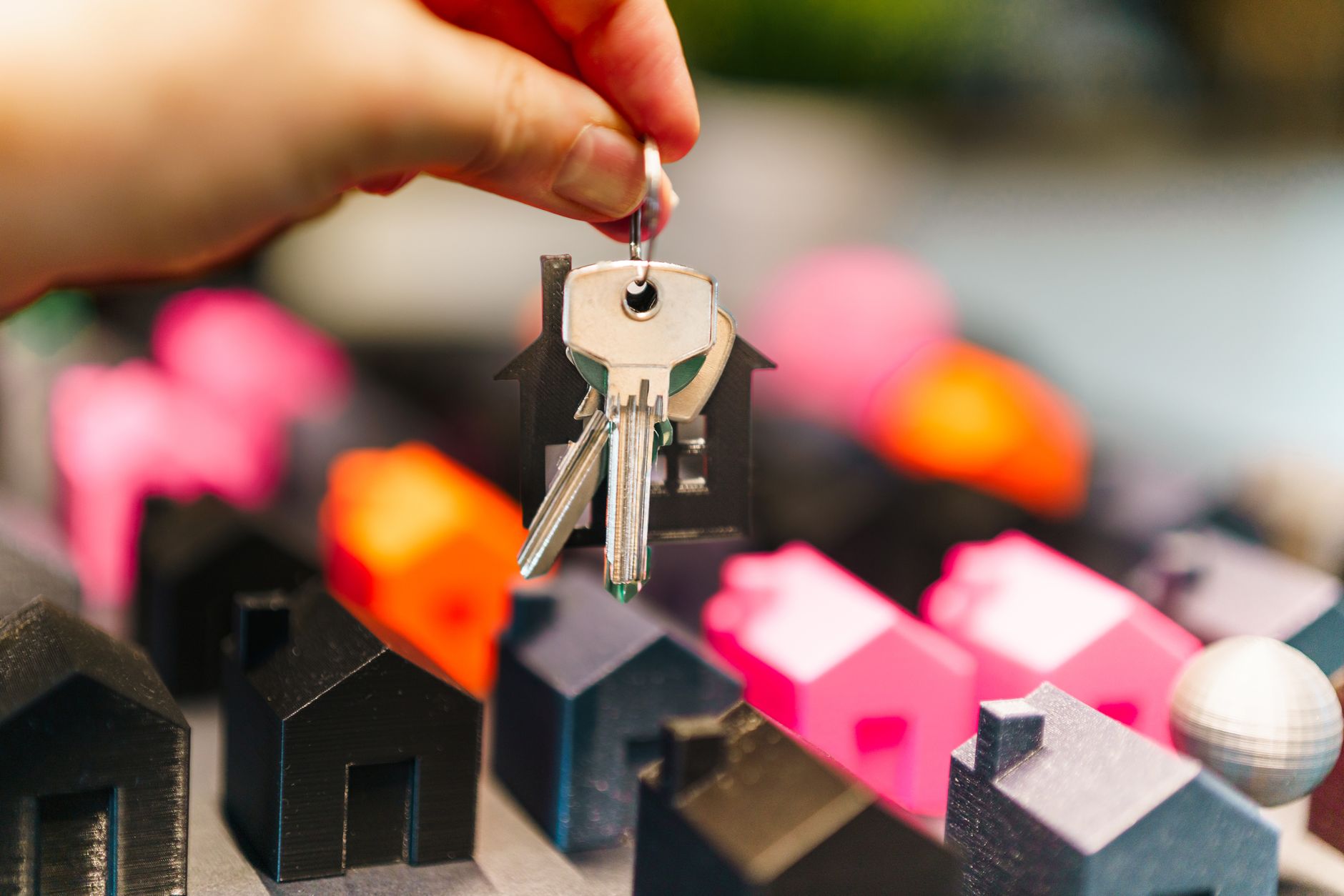
When searching for a new home, it's easy to get caught up in the excitement of finding the perfect property. But in today's changing climate, it's more important than ever to consider the potential risks that come with your dream home's location. If you're like many homebuyers, you're probably aware of the importance of researching the neighborhood, schools, and local amenities. However, there are two critical factors that often fly under the radar: flood zones and wildfire risk. As you navigate the home search process, it's essential to understand how these factors can impact your decision and your future.
Understanding Flood Zones
Flood zones are areas that are prone to flooding due to their proximity to water sources, such as oceans, rivers, or lakes. These zones are typically designated by the Federal Emergency Management Agency (FEMA) and are categorized based on the level of risk. If you're considering a home in a flood zone, it's crucial to understand the potential consequences. For one, flood insurance may be mandatory, which can increase your monthly mortgage payments. Additionally, homes in flood zones may require specialized construction and maintenance to withstand flooding, which can add to the overall cost of ownership. Perhaps most importantly, living in a flood zone can pose a significant risk to your safety and the safety of your loved ones.
Assessing Wildfire Risk
Wildfire risk is another critical factor to consider when searching for a home. As wildfires become increasingly common in many parts of the country, it's essential to understand the risks associated with your desired location. Wildfire risk is typically assessed based on factors such as vegetation, topography, and weather patterns. If you're considering a home in a high-risk area, you'll want to research the local fire department's response times, the availability of firebreaks, and the overall preparedness of the community. You should also be aware of the potential consequences of a wildfire, including damage to your home, displacement, and even loss of life.
The Impact of Climate Change
Climate change is exacerbating both flood and wildfire risks, making it more important than ever to consider these factors when searching for a home. Rising sea levels, more frequent natural disasters, and changing weather patterns are all contributing to an increased risk of flooding and wildfires. As a homebuyer, it's essential to stay informed about the potential impacts of climate change on your desired location. This may involve researching local climate trends, talking to neighbors and community leaders, and staying up-to-date on the latest news and developments.
Researching and Evaluating Risk
So, how can you research and evaluate the flood and wildfire risk associated with a particular location? Here are a few steps you can take:
* Check with local authorities to determine if the area is designated as a flood zone or high-risk wildfire area.
* Research the local climate trends and weather patterns to understand the potential risks.
* Talk to neighbors and community leaders to gain insight into the local conditions and any potential concerns.
* Review online resources, such as FEMA's flood maps and the National Interagency Coordination Center's wildfire risk assessments, to stay informed.
As you navigate the home search process, keep the following key points in mind:
* Flood zones and wildfire risk can have a significant impact on your home's value, insurance costs, and overall safety.
* It's essential to research and evaluate the potential risks associated with a particular location before making a decision.
* Climate change is exacerbating both flood and wildfire risks, making it more important than ever to stay informed and adapt to changing conditions.
* By taking the time to research and understand the potential risks, you can make a more informed decision and find a home that meets your needs and priorities.
Moving Forward
As you continue your home search, remember that it's okay to prioritize your needs and concerns. Don't be afraid to ask questions, seek out additional information, and take the time to carefully evaluate each potential location. By doing your due diligence and staying informed, you can find a home that not only meets your needs but also provides a safe and secure environment for you and your loved ones. With the right information and a clear understanding of the potential risks, you can make a confident decision and start your new life in a home that truly feels like home.
Watch: Off-the-grid homes are coming as risks rise from climate change
Ready to Start Your Home Journey?
When you're ready to buy or sell, Welcome Home Referrals connects you with top agents in any market — free, with 15% cash back at closing.
Find a Top Agent →Photo by Jakub Zerdzicki • Published June 05, 2026