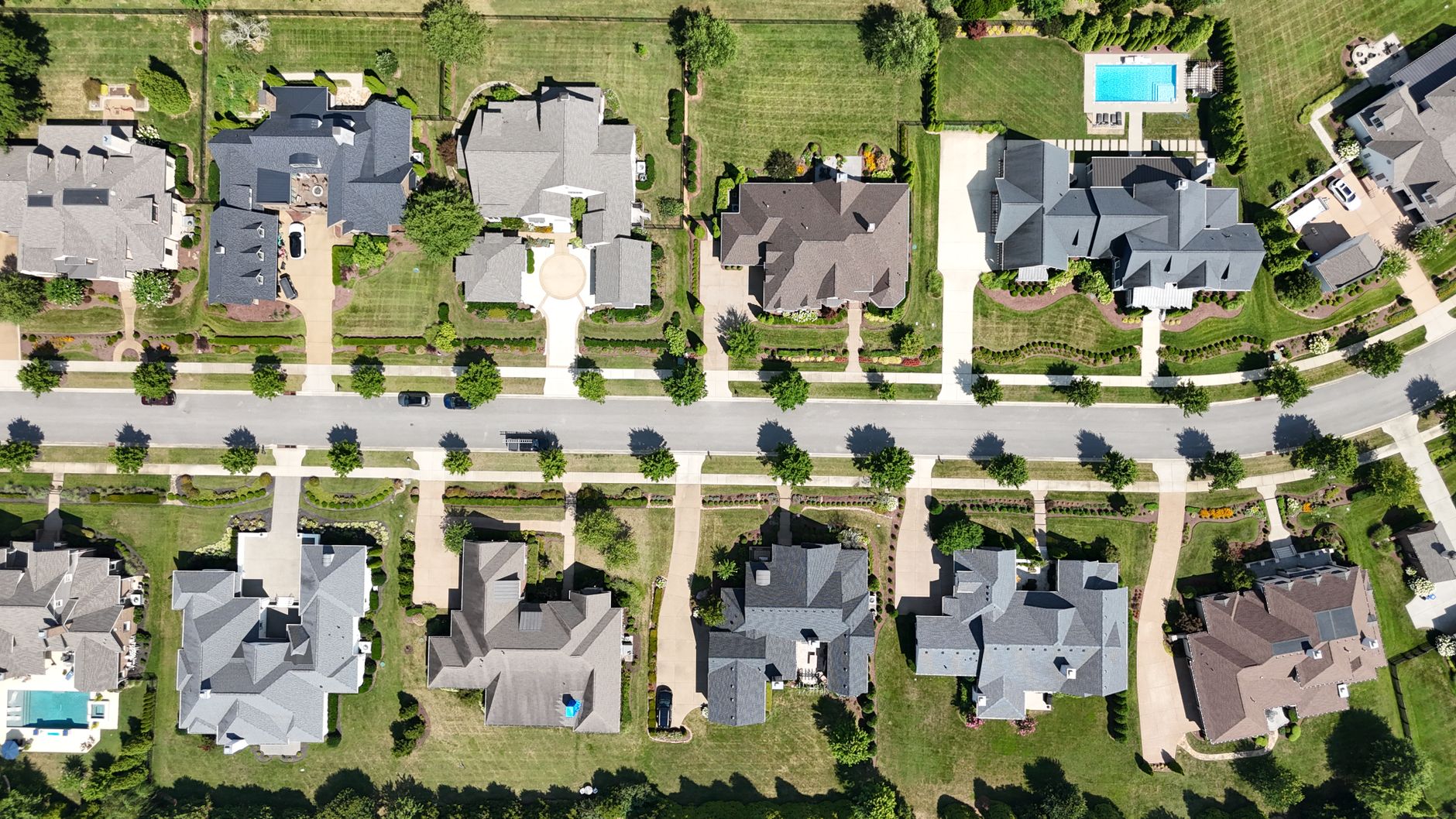
You've finally found your dream home, but before you start imagining yourself sipping coffee on the porch, it's essential to consider the neighborhood. The quality of the area can significantly impact your quality of life, not to mention the resale value of your property. Researching a neighborhood can be a daunting task, especially if you're new to the area. Where do you start, and what should you be looking for? In this guide, we'll walk you through the process of researching a neighborhood, so you can make an informed decision and find the perfect community to call home.
Understanding Your Needs and Preferences
Before you begin researching neighborhoods, it's crucial to understand what you're looking for. Make a list of your priorities, such as commute time, schools, safety, amenities, and community vibe. Consider your lifestyle and what you need to thrive. For example, if you have kids, you'll want to look for neighborhoods with good schools, parks, and family-friendly activities. If you work from home, you may prioritize a quiet and peaceful environment. Having a clear idea of what you want will help you focus your research and ensure you find a neighborhood that fits your needs.
Gathering Information
There are several ways to gather information about a neighborhood. One of the best places to start is online. Websites like NeighborhoodScout, AreaVibes, and GreatSchools provide valuable insights into demographics, crime rates, school districts, and local amenities. You can also use online forums and social media groups to connect with current residents and ask questions about the area. Additionally, drive through the neighborhood and get a feel for the community. Pay attention to the condition of homes, the presence of parks and green spaces, and the overall vibe of the area.
Talking to Locals
One of the best ways to get a sense of a neighborhood is to talk to the people who live there. Strike up a conversation with a local shop owner, a neighbor, or a parent at a school event. Ask them about their experiences, what they like and dislike about the area, and what they wish they had known before moving in. You can also attend community events, such as farmers' markets, street fairs, or town hall meetings, to get a sense of the community's spirit and engagement.
Evaluating Safety and Crime
Safety is a top concern for many homebuyers. Look for neighborhoods with low crime rates and a strong police presence. Check the local crime statistics on websites like CrimeReports or the FBI's Uniform Crime Reporting (UCR) Program. You can also drive through the neighborhood at night to see if the streets are well-lit and if there are any suspicious activities. Additionally, consider the proximity of the neighborhood to emergency services, such as hospitals, fire stations, and police departments.
Assessing Schools and Education
If you have kids, the quality of local schools is a critical factor in your decision. Research the school district, including the schools' ratings, test scores, and extracurricular activities. Look for schools with experienced teachers, low student-teacher ratios, and a strong curriculum. You can find this information on websites like GreatSchools, Niche, or the National Center for Education Statistics. Additionally, consider the availability of daycare centers, preschools, and after-school programs.
Key Takeaways
To research a neighborhood effectively, remember the following key points:
* Start by understanding your needs and preferences to focus your research
* Use online resources, such as NeighborhoodScout and GreatSchools, to gather information about demographics, crime rates, and local amenities
* Talk to locals, attend community events, and drive through the neighborhood to get a sense of the community's spirit and engagement
* Evaluate safety and crime by checking local crime statistics and assessing the police presence
Final Thoughts
Researching a neighborhood takes time and effort, but it's essential to finding the right community for you. By following these steps and considering your priorities, you can make an informed decision and find a neighborhood that fits your lifestyle and needs. Remember, the right neighborhood can enhance your quality of life, provide a sense of belonging, and increase the value of your property. So, take your time, do your research, and find the perfect place to call home. With patience and persistence, you'll be sipping coffee on your porch, enjoying the fruits of your labor, and loving every minute of it.
Watch: Why Everyone Is Moving to Palm Beach County, Florida
Ready to Start Your Home Journey?
When you're ready to buy or sell, Welcome Home Referrals connects you with top agents in any market — free, with 15% cash back at closing.
Find a Top Agent →Photo by Alex Hostetler • Published May 17, 2026